What are the game changers?
Video interview with Jamie Joseph, founder of savingthewild.com – Originally published on Africa Geographic for World Wildlife Day.
Related stories…
Dame Jane Goodall: Transform anger into a force for good
The only way to turn anger into something good is to be doing something to try and prevent such an atrocity happening again. That’s the only way, to feel that you’re using all your energy to stop it happening again.
Peter Knights, WildAid: The race for new Chinese thinking
“The response to poaching crises has been to increase enforcement – to escalate the war while only dealing with symptoms. Demand reduction defunds the war and deals with the root cause. If you hit the demand hard you break the back of the problem and make enforcement more affordable for the future.”
Patrick Bergin, AWF: Empowering Africans to be guardians of wildlife
When we started engaging with the communities on the east side of the park and helping them generate revenue by protecting wildlife, the Maasai elders put out the word, and it greatly reduced the number of fires in the park. Poaching on the east side of the park also collapsed. The community is now on the side of conservation.
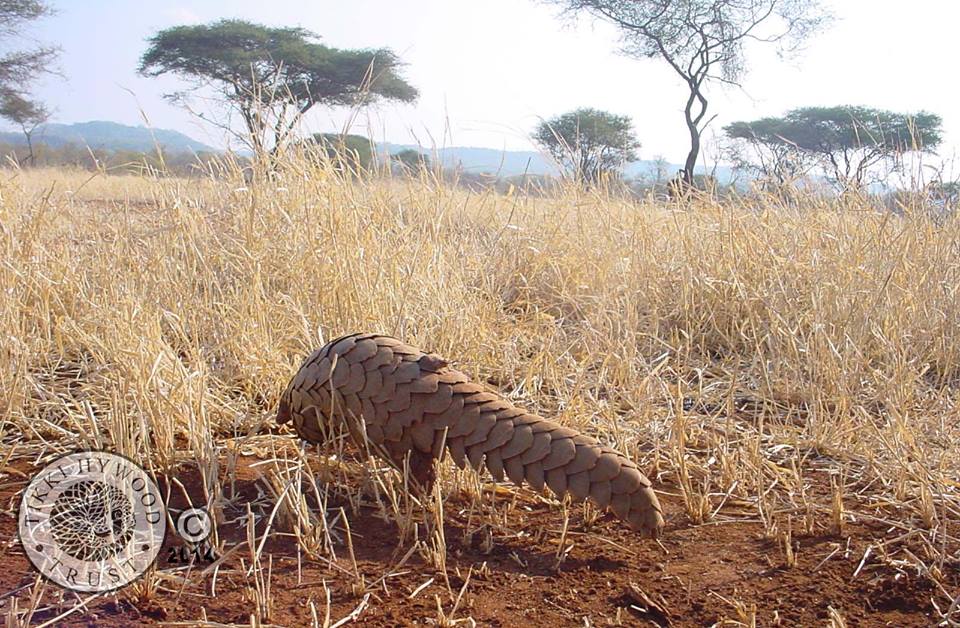
Lisa Hywood: Pangolin is the new rhino
We address a problem as an eco system, from the smaller species; such as pangolin, bat-eared fox, and hedgehogs, all the way up to the large, charismatic species. I realised that if I really wanted to have an impact in conservation, as Lisa Hywood of Tikki Hywood Trust, whatever I do in this stage in my life has to be implemented in such a way that, when I am no longer around, it still has an effect.
Allan Thornton, EIA: China’s blood ivory carving factories
From what I can see, if China and Japan banned the domestic ivory trade today, and enforced it, poaching would start to decline immediately across Africa.
Photo credit: Jamie Joseph. Follow the journey on Facebook and Twitter.